My mother died giving me birth, and my father and my brother Rhaegar even before that. I would never have known so much as their names if Viserys had not been there to tell me. He was the only one left. The only one.
Attachment disorder is where a child or adult is unable to form normal healthy attachments. This is usually due to detrimental early life experiences – such as neglect, abuse, separation from their parents or primary caregivers (after six months of age and before three years of age), frequent change of caregivers, and lack of responsiveness from their caregivers.
Symptoms vary depending on age. In adults, they fall under one of two categories – either avoidant or anxious/ ambivalent personalities. These are summarized below.
1. Avoidant
· Intense anger and hostility
· Hypercritical of others
· Extremely sensitive to criticism, correction or blame
· Lacks empathy
· Sees others as untrustworthy and unreliable
· Either sees themselves as being unlovable or “too good” for others
· Relationships are experienced as either being too threatening or requiring too much effort
· Fear of closeness and intimacy
· Compulsive self-reliance
· Passive or uninvolved in relationships
· Find it hard to get along with co-workers and authority figures
· Prefers to work alone, or to be self employed
· May use work to avoid investing in relationships
2. Anxious/ Ambivalent
· Demonstrates compulsive caregiving
· Problems with establishing and maintaining appropriate boundaries
· Feels they give they give more than they get back
· Feels their efforts aren’t noticed or appreciated
· Idealizes people
· Expects their partner to repeatedly demonstrate their love, affection and commitment to them, and the relationship
· Emotionally over-invests in friendships and romantic relationships
· Are preoccupied with close relationships
· Overly dependent on their partner
· Believes that others are out to use them or to take advantage of them
· Fears rejection
· Is uncomfortable with anger
· Experiences a roller coaster of emotions – and often these are extremes of emotion
· Tends to be possessive and jealous; finds it hard to trust
· Believes they are essentially flawed, inadequate and unlovable.
@sixpenceee so this is my favorite part of the National Museum of the US Air Force in Dayton. Canada built a flying saucer in the 1950s and it didn’t even work. I love it.
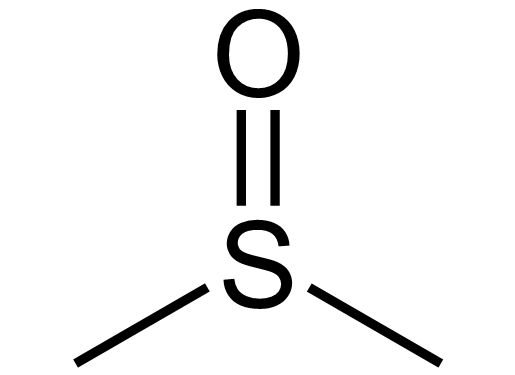
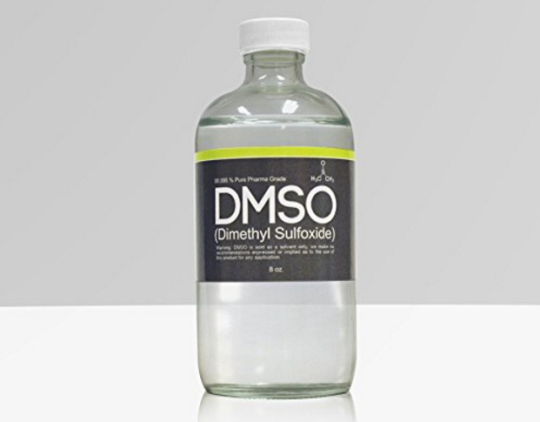
Dimethyl sulfoxide (C2H6OS), also known as DMSO, is a colourless liquid that is commonly used as a reactant and solvent in laboratories and in the chemical industry.
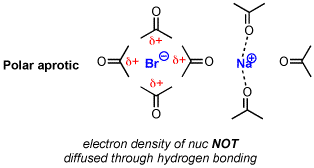
It is classified as a polar aprotic solvent, and is capable of dissolving a range of both polar and non-polar compounds, and even ionic substances as well. Being an aprotic solvent, it cannot form hydrogen bonds with and stabilise nucleophiles, causing their nucleophilicity to be enhanced. As a result, SN2 reactions are preferred in such media over SN1 reactions and elimination reactions. (The photo below shows acetone molecules instead of DMSO, but the logic still applies)
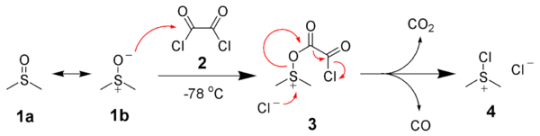
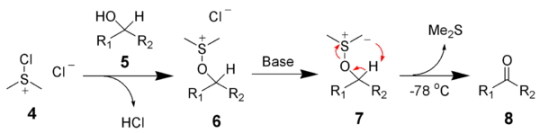
DMSO is also used as a reactant in some reactions, such as Swern oxidation, in which alcohols are oxidised to aldehydes or ketones. However, while this has been an important synthetic technique in the past, its use is now gradually declining due to the production of toxic by-products such as carbon monoxide and dimethyl sulfide.
An interesting property of DMSO is that people have noticed a garlic-like taste in the mouth upon exposure to it!
The curious case of Gloria Ramirez, in which a pungent, garlic-like smell from her body after defibrillation was administered caused 23 hospital staff to collapse, has been attributed by some to her use of DMSO as an alternative remedy for pain. It is postulated that the DMSO was oxidised to dimethyl sulfate, which is highly toxic, upon administration of the electric shocks from the defibrillator, and this resulted in the mass poisoning of nurses and doctors.
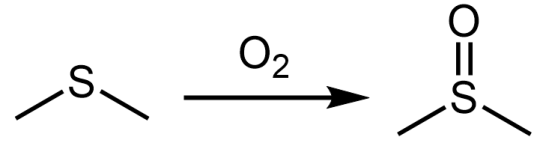
Industrially, dimethyl sulfoxide is produced from the oxidation of dimethyl sulfide with oxygen.
Gloria Ramirez was a housewife from California whose cause of death remains a mystery to this day.
At approximately 8:15 p.m. on the evening of February 19, 1994, Gloria was rushed into ER after affects of her cervical cancer had caused her to have an abnormal heart rate and breathing difficulties. Staff immediately injected her with several drugs: diazepam, midazolam, and lorazepam. This sedated her, but medics noticed that she was not responding to the drugs and her condition was worsening. That’s when a nurse took bloods from her arm and noticed a smell of Ammonia coming from the tube.
The nurse passed the test tube to a doctor who noticed strange particles floating around in the blood. They were “unlike anything” he had ever seen. Furthermore, staff noted that there was a fruity, garlic-like smell coming from her mouth and that her skin was excessively greasy. After this, nurses started fainting and doctors had to leave the room because they felt so ill. Nobody knew what was happening, only that Gloria’s body was emitting a foul-smelling odour that seemed to be making everybody nauseous. The staff evacuated all emergency room patients to the parking lot outside the hospital. Overall, 23 people became ill and 5 were hospitalised.
At 8:50 p.m., Gloria Ramirez was pronounced dead. She had died from kidney failure, but to this day nobody knows what caused her strange condition or if it played a part in her unusual death.
The story is even weirder, and also the ideas of what happened. Some men said that it must have been mass hysteria in the nurses even though one of them is now partly paralyzed in a leg and has problems with her head hurting from time to time.
One of the common ideas is that there was a secret meth lab going on in the building (which apparently was a thing in the area. WTF?) AND THEY PUT IN A THING OF CHEMICALS BY ACCIDENT *insert wordless screaming here*
 🔥 There is beauty in destruction🔥