This naturally-occurring alkaloid is a highly toxic compound most commonly known as the active ingredient in the leaves of poison hemlock. Historically known across multiple cultures for its poisonous properties, hemlock is most famously known in real life as the substance that Socrates died by, and in fiction is referenced by Shakespeare in both Hamlet and Macbeth. Coniine affects the peripheral nervous system, blocking the nicotinic receptors of neuromuscular junctions in a manner similar to curare, the tree-frog poison. This nerve blockage results in “ ascending flaccid paralysis” where the victim becomes unable to operate their muscles, starting from the lower limbs upwards. Death eventually results as the muscles of the diaphragm shut down, preventing breathing, but as the central nervous system is unaffected, the victim remains conscious throughout this process.
Ammonia (NH3) is a
binary compound of nitrogen and hydrogen. Commonly found in nature, it exists
as a pungent, colourless gas under standard conditions, but is often sold as a solution in water. It is one of the most
widely produced chemicals in the world, with 146 million tonnes being produced
in 2016 alone.
Ammonia is a weak
base, with a pKb of 4.75; it can reversibly react with water to produce ammonium and hydroxide ions.
NH3 + H2O ⇌ NH4+ + OH–
Due to the equilibrium shown above, solutions containing ammonia and
ammonium ions are commonly used as buffer solutions, which resist pH changes upon addition of small amounts of acids or bases.
At the same time, ammonia can also act as an
acid with very strong bases and reactive metals. For example, sodium metal
reacts with ammonia to produce sodium amide, a strong base:
2 Na + 2 NH3
→
2 NaNH2 + H2
With its lone pair, ammonia can also coordinate
to metal ions, resulting in colourful metal ion complexes, such as the deep
blue tetraamminecopper(II) ion:
Ammonia is a versatile starting block for many
chemical and fertiliser industries, as it offers a convenient way to introduce
a nitrogen atom into a molecule. Being a nucleophile, it can participate in nucleophilic
substitution and addition-elimination reactions, a useful trait that is
exploited in many chemical syntheses. For example, the first step in the
Strecker amino acid synthesis, which allowed chemists to synthesise amino acids
for the first time instead of extracting it from organic material, involves the
usage of ammonia to convert an aldehyde into an imine.
Ammonia is industrially produced by the Haber
process, in which nitrogen is reacted with hydrogen under moderate temperature
and high pressure in the presence of a catalyst to produce ammonia according to
the following equation:
N2 + 3
H2 ⇌ 2 NH3
As the reaction is reversible, the reaction
mixture is then cooled to condense the ammonia, and the leftover hydrogen and
nitrogen is pumped back into the reactor to participate in the reaction again,
thus maximising yield.
Ammonia is a metabolic waste from the digestion of
proteins and other nitrogen-containing products, and is excreted through the
urine. It is also produced from the decomposition of tissues.
While ammonia is present in many tissues, it is
metabolised into urea rapidly in the liver via the urea cycle, as urea is much
less toxic and basic, and the buildup of ammonia can result in liver cirrhosis.
I know chemistry can explain it but its freaky that Hydrogen is explosively flammable and Oxygen is needed for any fire to burn but stick them together and the resulting liquid puts fires out. Chemistry is amazing
how about having Sodium by itself is highly toxic meanwhile chlorine is poisonous gas but mix that together you get table salt! CHEMISTRY HAS FUCKED ME UP
The violent reaction between sodium hydride and water.
Sodium hydride is a salt-like hydride, composed of Na+ and H− ions, it is an ionic material that is insoluble in organic solvents, but soluble in molten sodium metal and quite often used as a base in chemistry.
When contact with water sodium hydride releases hydrogen, turns into sodium hydroxide and generates a lot heat. Because of this heat the generated hydrogen gas ignites and because of the presence of sodium ions it burns with an intense yellow color (as seen).
NaH(s) + H2O(l) –> NaOH(aq) + H2(g)
Because of this, NaH is usually sold mixed with mineral oil what keeps away water and protects the hydride from moisture. However if it is stored for long time, it should be titrated by measuring the amount of hydrogen generated from the reaction of the hydride and an alcohol.
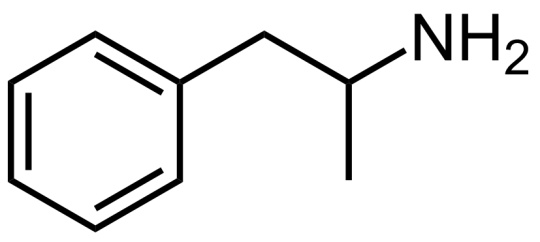
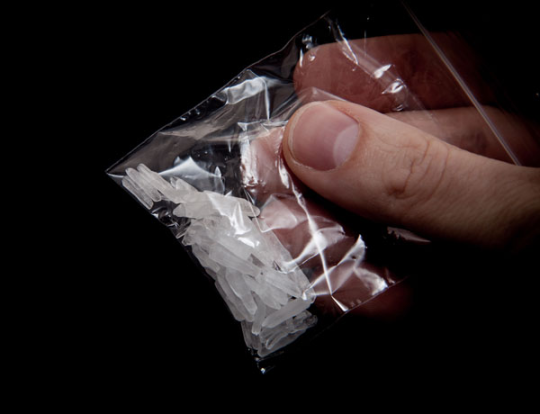
Methamphetamine (C10H15N), also known as meth or crystal meth, is a
colourless liquid at room temperature. It is more commonly encountered as the
hydrochloride salt (C10H15N.HCl), which is a white solid under standard
conditions. It is a central nervous system stimulant, and is used as a
recreational drug.
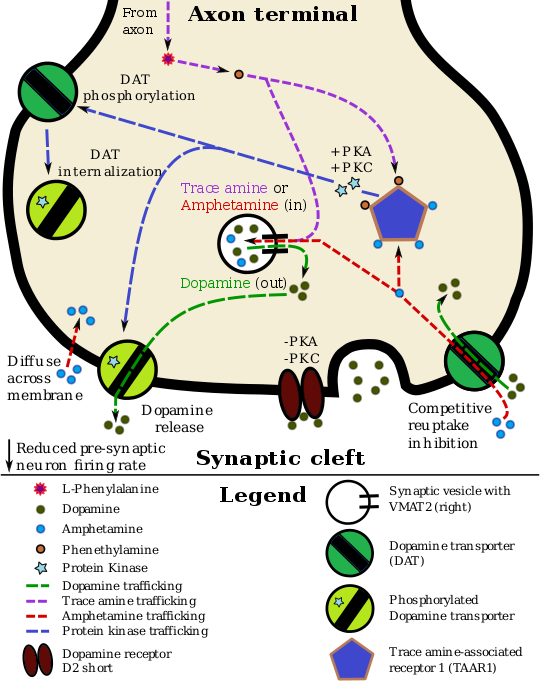
Methamphetamine acts as an agonist at trace
amine-associated receptor 1 (TAAR1), resulting in the release of cyclic
adenosine monophosphate. This causes dopamine and noradrenaline transporters to
reverse the movement of dopamine and noradrenaline through them; instead of
taking them up from the synapse, it releases them from the cell. Furthermore,
it inhibits monoamine oxidase (MAO), which normally breaks down dopamine and
noradrenaline.
The resultant increase in dopamine and
noradrenaline in the synapse causes the corresponding receptors on the
postsynaptic membrane to be stimulated to a greater extent, resulting in
feelings of euphoria, increased alertness, and a raised heart rate.
Methamphetamine, however, has a high risk of
addiction. The high levels of dopamine and noradrenaline can result in
tolerance by the body as the postsynaptic neuron reduces the number of
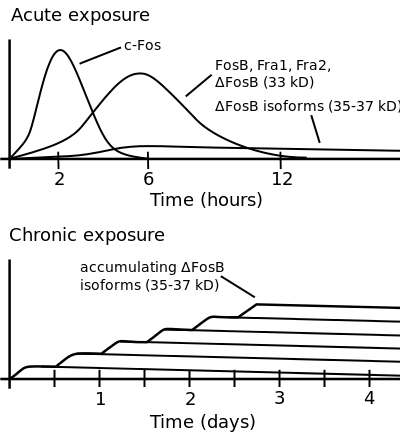
receptors to modulate the stimulus. A protein called ΔFosB is also produced in
the neurons, resulting in the increased transcription of certain genes,
producing addictive behaviour.
As ΔFosB is degraded much more slowly than
related proteins, it accumulates upon regular consumption of methamphetamine,
resulting in increasing levels of addiction.
Methamphetamine also produces a range of side
effects such as loss of appetite, dry skin, acne, insomnia, irregular
heartbeat, psychosis, scratching of the skin, as well as loss of teeth. An
overdose can also result in tremors, hyperthermia, cerebral haemorrhaging,
kidney failure, circulatory collapse, coma, and death. (Below: before/after
methamphetamine consumption)
It has been used as a treatment for
attention-deficit hyperactivity disorder and obesity, albeit rarely due to its
significant drawbacks compared to other existing treatments for these
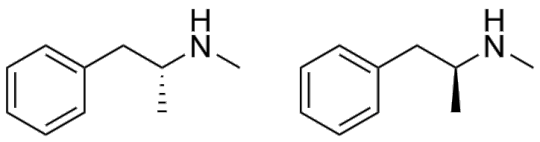
conditions. One of its isomers, levomethamphetamine (below left), is also used
in nasal decongestant sprays as it results in vasoconstriction. Unlike its
optical isomer, dextromethamphetamine (below right), it does not result in
addiction and dependence.
Methamphetamine can be easily synthesised from
the condensation of phenylacetone with methylamine, followed by reductive
amination:
Note: This post is intended to examine the compound from a chemical/medical
point of view for educational purposes, and does not endorse drug abuse in any
way.
Omeprazole
(C17H19N3O3S) is a drug used to
treat acid reflux, stomach ulcers, and indigestion. Under standard conditions,
it is a white powder that is sparingly soluble in water.
Omeprazole
acts as an irreversible proton-pump inhibitor. It binds permanently to active H+/K+-ATPase
systems found in the stomach lining, preventing H+ ions from being
shuttled into the stomach. This causes a reduction in gastric acid production.
Being
lipophilic, it is readily absorbed by the parietal cells of the stomach, where
it undergoes an acid-catalysed rearrangement to form a sulfenic acid, which
exists in equilibrium with the sulfenamide. The sulfenamide, which is the
active form of the drug, can then react with a cysteine residue in the ATPase
to form a covalent bond with it.
As active
H+/K+-ATPase pumps are activated upon consumption of
food, omeprazole should only be taken on an empty stomach, and food should only
be taken 30-60 minutes after.
Proton-pump
inhibitors should only be taken in appropriate doses when needed, as they have
been shown to interfere with absorption of nutrients since gastric acid is
essential for the digestion of food and release of nutrients.
Omeprazole can be synthesised via a multi-step process from 2,3,5-trimethylpyridine.
I found these youtube channels EXTREMELY useful as I basically self-taught myself chemistry over the summer. If you are having trouble with a subject, search for it in youtube and look out for these usernames, they’re amazing!
My High School Chemistry Cheat Sheet 4 years later and I still use this, it has been good to me. Not sure how or if I should credit this, it was just a hand-out my teacher gave us all at the beginning of class and I couldn’t find anything like it online so I just scanned it.







 🔥 There is beauty in destruction🔥