Colour variations per wolf species:
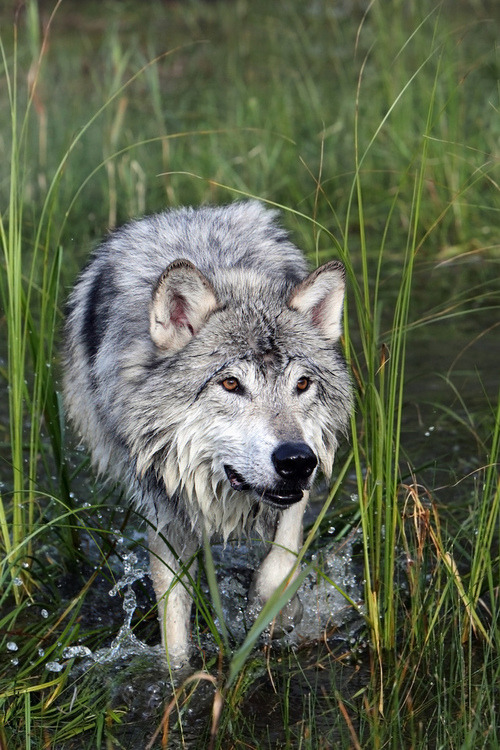
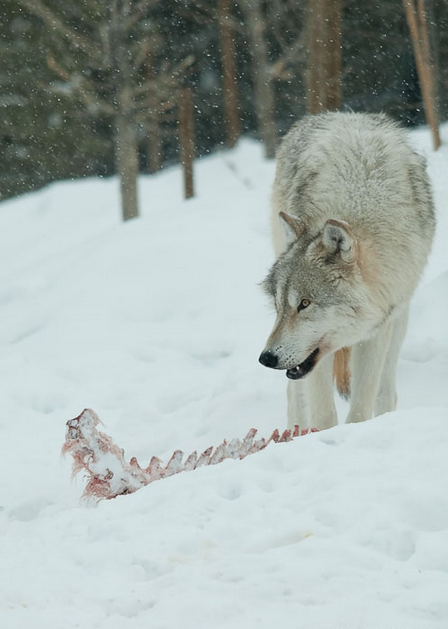
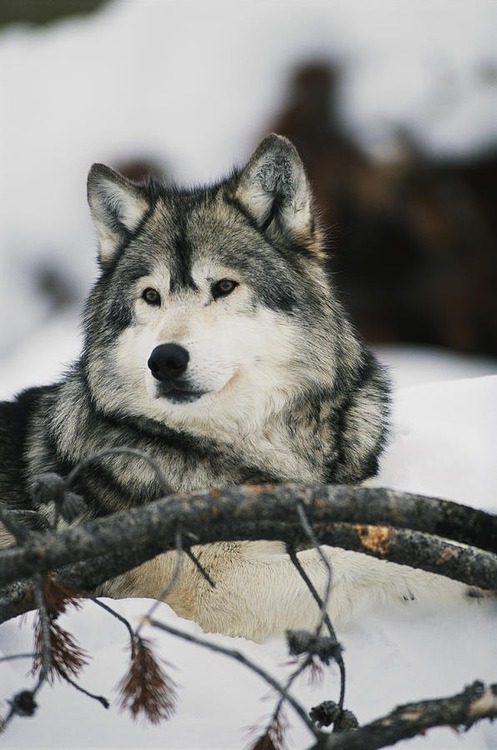
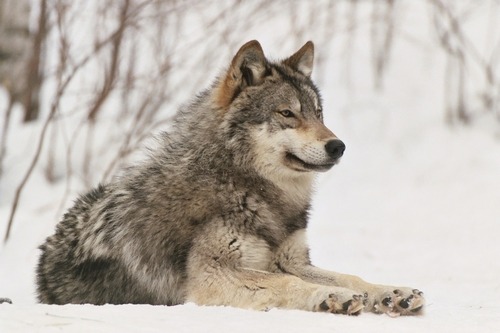
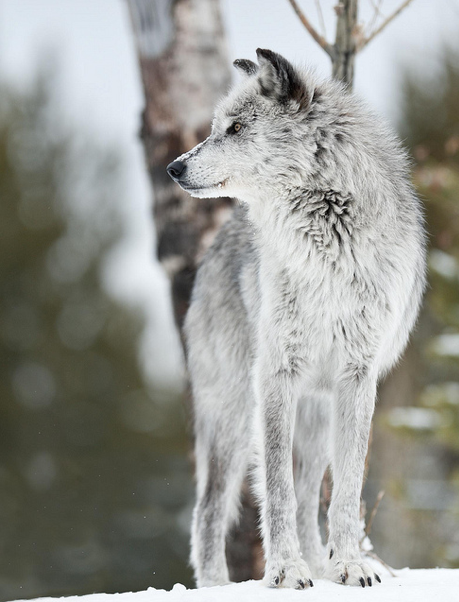
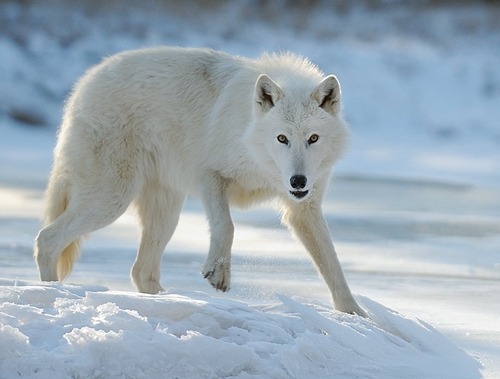
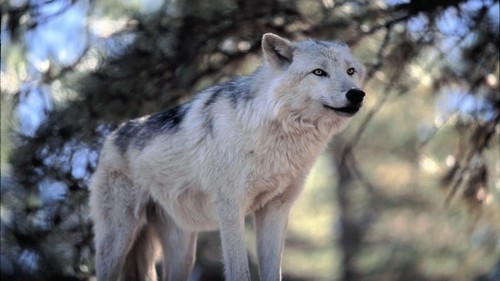
– Gray wolves (Canis lupus) can have coat colours or colour combinations ranging from black, grey, white (though never a “pure”, bright white as seen in domestic dogs), brown, blonde, “silver”, reddish/orange. The Gray wolf has a lot of subspecies, and each subspecies has it’s own variation in colour. Some can come in all colours named above, whereas other Gray wolf subspecies for example only come in white.
If you want to know the coat colour possibilities of a certain Gray wolf subspecies, you can easily find that online.
Some colour possibilities in Gray wolves:
Entirely black [X]
Black and grey [X]
Different shades of grey [X]
Very light grey [X]
High contrast [X]
Little contrast [X]
Grey white black brown [X]
Brown/reddish with whites and blacks [X]
Brown and black with some greys [X]
Brown and black [X]
Light brownish/sandish [X]
Blonde/yellowish [X]
Silverish [X]
White [X]
White with some grey and/or black variations [X]
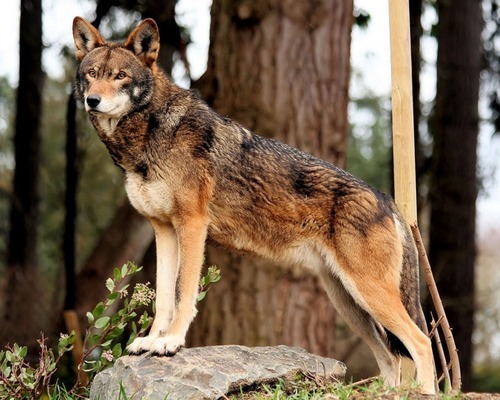
– Red wolves (Canis rufus) always have a combination of the colours orange/reddish, brown and grey, with black markings, along with some white parts and some black parts like in the tip of their tail:
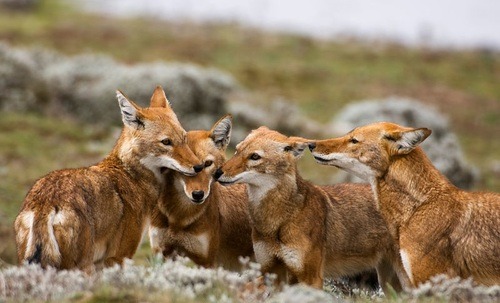
– Ethiopian wolves (Canis simensis) are orange with white, with some grey/brown and black markings:
All of the depicted coat colours above of course can have lots of variations – especially the darkness/brightness and contrast. No wolf looks the same. It’s very difficult to map out all the different possibilities, but this gives a good overview.
Also, here’s a nice chart with pictures of some wolf subspecies that shows the typical coat colour for each subspecies.
Tag: wolf



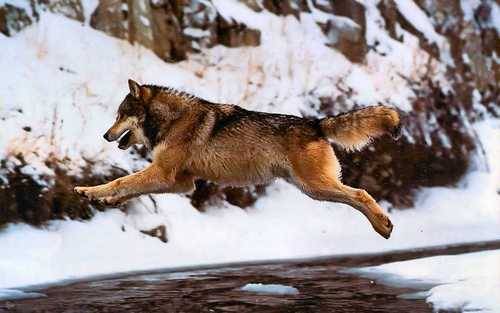
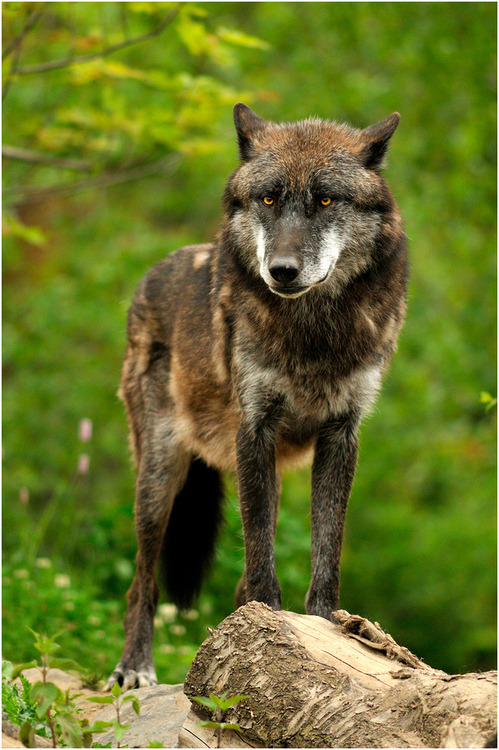
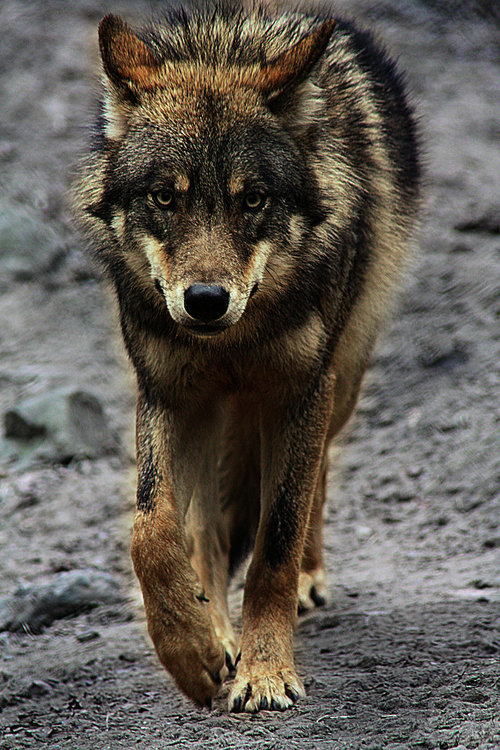
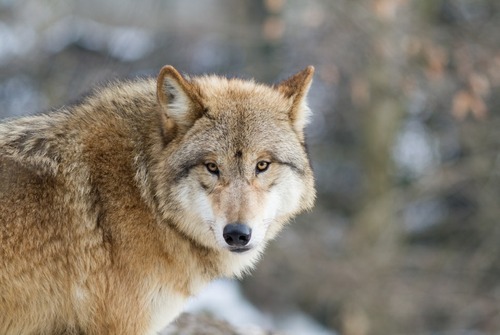

Hello! Do you know if Wolves can have a white tail tip? Just like foxes do. In Norway there was a wolf caught with that and ive never seen it before. Or could it be a wolfdogmix? :)
Hi! Whereas wolves have less pronounces and black/dark coloured tail tips, the white tail tip is a trait typical for domestic canines. The most likely explanation for this Norwegian wolf’s white tail tip would be that it’s caused by dog (or some other canid) genes, so like you said a wolf dog cross.
A less likely explanation would be some kind of genetic defect.
I read a Tumblr post talking about this yesterday, it might interest you: [x]
Ottawa biologist meets wolf — at 1 a.m. in his tent
August 2, 2017 – Ottawa’s Paul Sokoloff was doing a peaceful survey of plants in the High Arctic when a wolf stuck its head into his tent. So Sokoloff did the only thing that made sense. He grabbed his camera.
Sokoloff is a plant biologist at the Canadian Museum of Nature and
has just returned from a three-week expedition charting the plants of
several Arctic sites. He was at Lake Hazen on Ellesmere Island when he
woke up in the bright Arctic night and saw an Arctic wolf poking its
head through his tent door.“Just its face (came in), thank God,” he said. “I took a picture because that’s the first thing you think of when a
wolf comes into your tent. I started yelling at it. It’s 1:30 in the
morning, so I’m waking up the rest of the camp. Troy (another biologist) hears this and he starts yelling at the
wolf. And the wolf, instead of getting spooked, says, ‘Oh there are
people over here too,’ and went over to Troy’s tent and proceeded to be
curious.”“He came back to my tent and tore my vestibule in half. So I have to
go back and see how MEC’s (Mountain Equipment Co-op.) warranty really stands up to wolf incidents.”“It took us a little while to scare the wolf out of camp. He was just
curious about what was happening. Not aggressive, just curious. It was about the size of a Labrador dog. Not super-big but
certainly not something that you want to get comfortable with next to
you.”Now, about that tent warranty: the museum
may be out of luck. It’s a really good warranty, says Chris Chapman of
MEC, but it doesn’t cover a wolf that eats your tent.
 🔥 There is beauty in destruction🔥